

BSc (Hons) Psychology
Psychology is the scientific study of mind and behaviour. You’ll explore topics such as social influences, learning, memory, mental health, personality, and attitudes. Combining theory with real-world application, you’ll develop critical thinking, research, and communication skills. Taught by expert academics, you’ll graduate with the knowledge, confidence, and skills to make a real difference.


Rated 100% satisfaction for academic support
National Student Survey 2024

Apply now for this course

Get our health course news
Entry requirements
Three A-levels at grades CCC-BBC
Or BTEC triple grades MMM-DMM
Access to HE Diplomas accepted with credits in line with UCAS tariff point range
T Level - Pass (C and above) - M
GCSE English Language Grade C or 4 or above or an acceptable equivalent qualification
Applicants with other qualifications and/or experience will be considered on an individual basis.
We will accept 2 AS levels in lieu of one A level but must be accompanied by 2 A Levels or BTECs. (General Studies is excluded).
UCAS points 96-112
UCAS code R1D4
UCAS institution code P63
Duration Three years full time or six years part time
Course Summary
On this British Psychological Society (BPS) accredited degree, you'll immerse yourself in the study of how people think, feel, develop, and interact with the world around them.
Our BSc (Hons) Psychology provides a strong foundation across the core areas of psychology, including developmental, cognitive, biological, and social psychology, alongside research methods. Building on this foundation, you'll have the opportunity to tailor your learning by exploring topics that match your interests and career ambitions, including education, criminology, mental wellbeing, leadership, the environment, and more.
Throughout the programme, you'll examine the factors that shape human experience and behaviour, investigating topics such as social identity, cognitive development, attention, chronic illness, place attachment, and psychological wellbeing. You'll develop a deep understanding of how psychological theory can be applied to real-world challenges and opportunities.
Learning goes beyond the classroom. Through practical activities, collaborative projects, and a short placement in your second year (DBS check may be required), you'll gain valuable experience applying psychological knowledge in professional and community settings.
To help you stand out even further, you'll also have access to our Psychology Enhancement Programme. This series of optional talks, workshops, guest speakers, and skills sessions runs throughout the year, giving you the opportunity to deepen your knowledge, develop professional skills, explore specialist areas of psychology, and enhance your CV alongside your degree studies.
At Plymouth Marjon University, you'll benefit from a supportive learning environment with small class sizes, high-quality academic support, and strong staff-student relationships. Beyond your studies, you'll enjoy a vibrant campus experience, with accommodation, a sports centre, a bar and theatre, an active Students' Union, and easy access to the stunning coastlines, beaches, and moorlands of Devon and Cornwall.
To help you balance university with work, family, and other commitments, teaching takes place on three fixed days each week throughout the academic year. Outside your timetabled sessions, you'll engage in independent study, allowing you to take ownership of your learning and build the skills expected of a psychology graduate.
Why this course at Marjon?
Dedicated psychology research spaces on campus
Small groups for teaching and learning
High student satisfaction
Accredited by the British Psychological Society (BPS)
Learn research through doing - practical approach to understanding theoretical principles of research
Immerse yourself in the study of people and their actions, emotions and thinking
Modules for this course
Course Snapshot
“ In the first year we mostly covered the basics of psychology; learning about key theories and research methods. During the second year we got to specialise more in the areas we were interested in and we went out on placement. We looked at thinking, learning, memory and language but had more freedom in choosing essay titles. In our final year we chose some of our modules and looked more closely at neuroscience and adolescent mental health alongside our dissertation research.”
Please note: optional modules are marked with an *
1st Year
Immerse in psychology
Psychology in Practice
People: Social Beings
Cognition and development
Health and Wellbeing
Understanding research: theory and method
2nd Year
Research Practice in Psychology 1
Developmental psychology
Our Social Selves
Research Practice in Psychology 2
Human cognition
Placement module
3rd Year
Exploring contemporary perspectives in psychology*
Courting controversy in childhood and adolescent development *
Mental health and young people*
Community psychology*
Dissertation
Neuroscience and Neuropsychology
Working with people
Current students say...
Tim
“The curriculum at Marjon has allowed me to explore areas I am interested in, whilst also highlighting new topics for me. I immediately felt comfortable in the diverse community and felt able to contribute to discussions. The support from the academic team has been amazing and has helped me get through some difficult moments. Having more face time with lecturers is a huge part of this and I would absolutely recommend Marjon to anyone looking to study psychology!"
Nat
“By studying Psychology, I have been able to explore the topics I was curious about, and find new areas I wanted to question too. The small classes mean that the lecturers can have a person-centred approach. A key experience I have found valuable is the placement programme. I initially liked the idea of taking a year out for a placement, but that was no longer possible when I became a mum. The way Marjon’s placement fits alongside other modules worked much better for me.”
Charley
"I have loved the person-centred approach that classes use here at Marjon. This approach has shown me that I have agency; it has allowed me to both find and use my voice here. I have also found the placement module highly valuable. It helped me to explore the career I wanted to pursue, and I have also grown a lot in confidence and skills. It has been so valuable that I am continuing to volunteer at my placement and will do so in my final year as well."
Ever wanted the answer to one of these questions? Choose this course!
Can video games be used as a tool to build trust in relationships between children and professionals?
What are the lived experiences of students with ADHD whilst studying at University?
Does exercise improve mental health and wellbeing?
Is there a relationship between self esteem, life satisfaction and Adverse Childhood Experiences?
Does the monologue delivered by America Ferrera in the Barbie movie reflect the lived experiences of women in contemporary society?
Are individuals raised with cultural beliefs more susceptible to having paranormal experiences?
Ask a student
See where our graduates are now
Katie Ledger
"University taught me to have confidence in my own ability. It allowed me to become a critical thinker which is extremely beneficial and I feel confident to challenge events that I disagree with. Learning about psychological theories has broadened my understanding of the potential causes of behaviour and enables me to appreciate how we are all different which has made me an understanding support worker. I love it when I have made a positive difference to someone."
Support Worker, Priory Group Adult Care.
What might you become?
This course is accredited by the British Psychological Society (BPS) this will place you in a position to become a graduate member of the BPS (GBC) which is the initial required standard to becoming a psychologist. All psychologists must be registered with the HCPC after completing further training.
Your psychology degree will give you the transferrable skills that employers want, whether you are looking at private or public sector careers. You could continue to postgraduate study and/or a career as a psychologist or working in research or academia.
Accreditation
British Psychological Society (BPS)
BPS accreditation ensures an engaging experience and means that upon graduation, students will be eligible for Graduate Basis Chartered Membership of the BPS which is required of applicants to the postgraduate training programmes that lead to becoming a Chartered Psychologist.
How you’ll be taught and assessed?
How will you be taught?
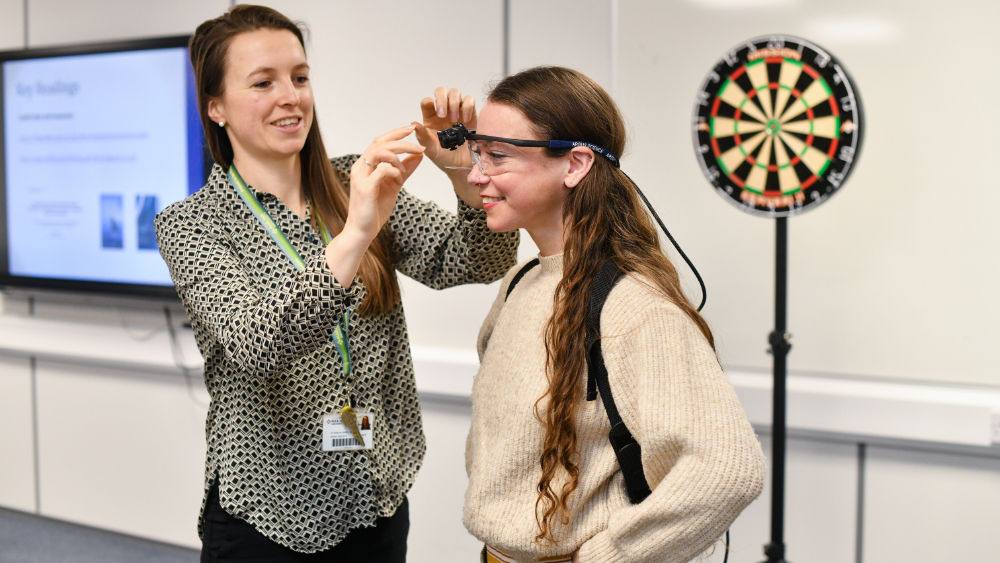
Teaching combines interactive lectures with seminars and workshops, all supported by online materials and tutorials. There are opportunities to look at case studies to apply your learning, and you will learn how to research by doing research.
How will you be assessed?
Our assessments are throughout the year and include essays, research lab reports, presentations and producing social media content, posters and other materials. Across the degree there are two timed assessments. The assessments are designed to offer you the ability to demonstrate your knowledge and provide you with skills for your career.
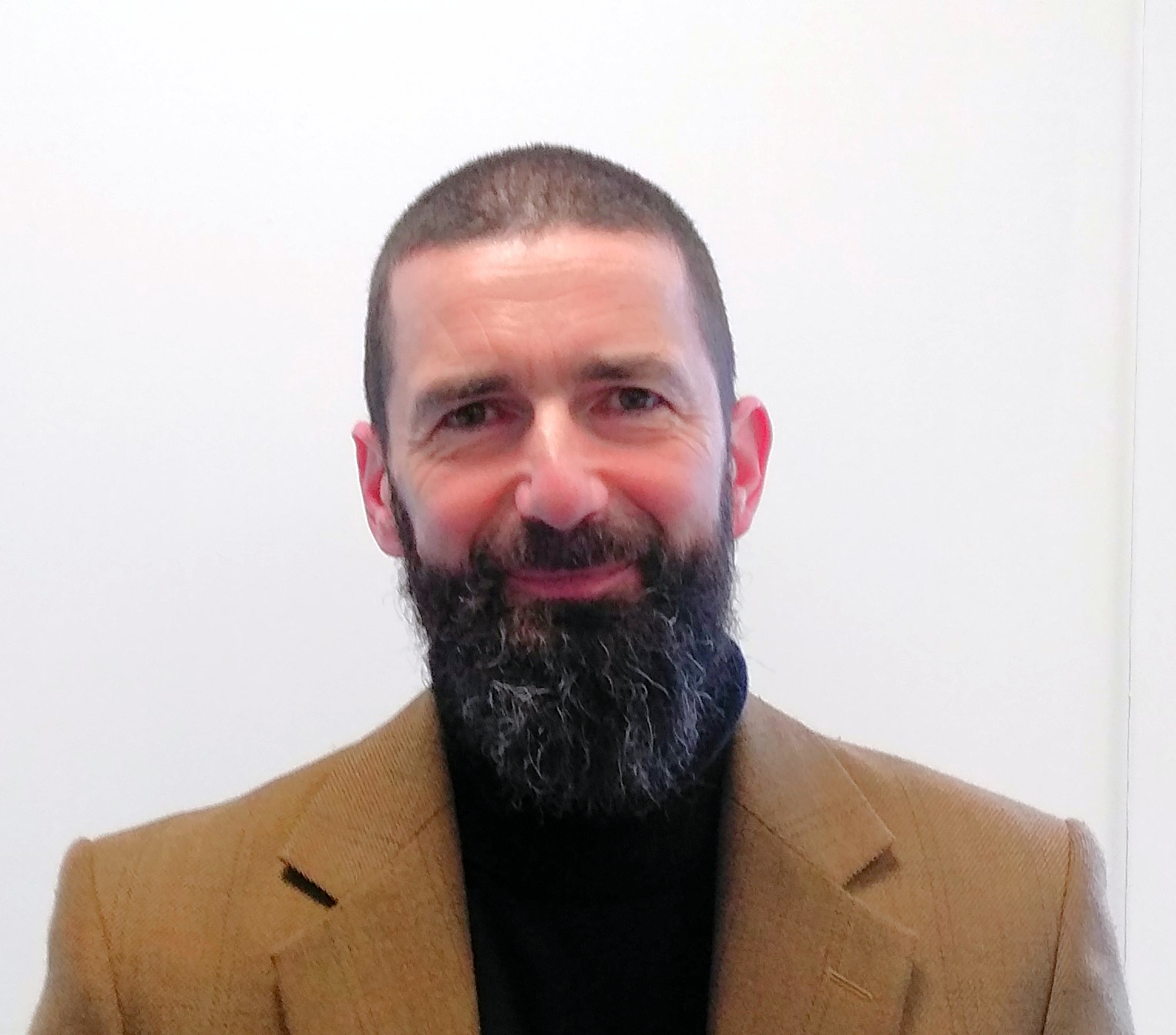
Damien holds a BPS accredited BSc in Psychology, an MSc in Social Research methods and Evaluation, and is a Fellow of the Higher Education Academy. His doctoral thesis sits at the intersection of environmental psychology and environmental philosophy and ethics. Damien teaches across multiple psychology modules, including qualitative research methods, social psychology, and presently leads the BSc Psychology Programme.
Fees and funding
Fees UK students: £9,790 per annum
This fee covers your tuition and access to course-specific equipment and facilities, as well associated services including access to the library, study skills support, IT support, student support and wellbeing services and membership of the Student Union. There may be additional costs by course.
Additional costs:
Students need to fund a DBS check to attend some placements.
Funding available for this course
Our Student Funding Advisors offer confidential and impartial advice about your funding options.
Learn moreLecturers

Hazel is an Associate Professor in Psychology. She teaches qualitative research methods and conceptual and historical issues in psychology.
She is a chartered member and associate fellow of the British Psychological Society (BPS), and a senior fellow of the HEA.
She is a member of the BPS Member Board and UEC.
Her interests include identity, student wellbeing and academic buoyancy, and student leadership. She is currently supervising 4 PhD students on projects relating to the embodiment of cognition, lived experience of menopause and, respect in primary schools.
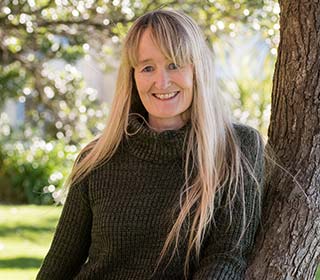
Dr Katheryn Edwards, CPsychol, AFBPsS, FHEA, is a Senior Lecturer in Psychology at Plymouth Marjon University, UK. Her research specialises in cognitive development, particularly theory of mind, and she has published in Cognition, Scientific Reports, and Cognitive Development. Katheryn completed her PhD at Victoria University of Wellington, New Zealand, where she developed innovative methodological approaches to understanding automatic belief-tracking. Katheryn teaches across a number of modules relating to cognitive psychology, developmental psychology, research methods and study skills. Katheryn serves on the BPS South West Committee and is an Academic Liaison Tutor for the University’s international collaboration with AIC Campus, Sri Lanka.

Carina is a BPS Chartered Counselling Psychologist and a Fellow of the Higher Education Academy. Her teaching is mainly focused around social psychology and mental health within the discipline and how these can be applied to the world we live in. She teaches across a range of undergraduate and post-graduate psychology programmes. She has worked as a clinical practitioner on a one-to-one and group basis, across a range of settings, including primary care, the police and private practice for over 30 years. Specialist interests and expertise include: PTSD, Trauma, Eating Disorders.

Jonathan specialises in applied neuropsychology and has a research background investigating the therapeutic use of gamified cognitive training for young people with visuocognitive difficulties caused by brain injury or neurodivergence. He is a Fellow of the Higher Education Authority and teaches across a number of modules on the undergraduate and postgraduate psychology programmes related to cognitive neuroscience, neuropsychology, and applied research methods.

Rosanna specialises in the psychology of sporting performance, examining the critical perceptual cognitive factors that enable elite performance. Her research fields are cognitive psychology, performance psychology and quantitative methods.
Frequently asked questions
Q1 Are there any exams?
Q2 What does the timetable look like?
Q3 How big is the class?
Q4 Is the course accredited?
Q5 Is there a placement?
Q6 What do your graduates do?
Find out more about studying BSc (Hons) Psychology at Marjon

Discover Uni collects data about university courses in the UK. All universities publish Discover Uni data on their online course pages enabling you to compare similar courses at different universities.
Share this page on

