
MRes
MRes is a research focused Master's which provides an ideal platform for professional development or prepares you for PhD study. Pursue your own research interests; do what excites you. Specialisms include: Sport, Psychology, Health, Education, plus much more.


Entry requirements
A 2:1 honours degree or equivalent.
We welcome applications from experienced practitioners with non-traditional qualifications.
Applicants may be assessed at interview
UCAS code Apply to Marjon
UCAS institution code P63
Duration One year full-time or two years part-time
Any questions about postgraduate study at Marjon?
Contact Rachel Bailey-Lewis, our Student Recruitment Officer (Postgraduate).
Course Summary
The Master of Research (MRes) is a flexible programme based around four taught research methods modules and a Master's thesis (supported through academic tutorials). The supervisory team are all research active within their subject specialisms.
The programme promotes collaborative engagement between students and research active academic staff. This engagement has already resulted in a number of research publications. It provides an opportunity for individuals from a range of professional and academic backgrounds to gain a critical appreciation of developments in their specialist subject area and to enhance the analytical and research skills necessary to engage in advanced research projects.
The MRes forms an important part of the Higher Degree portfolio of the University. The MRes programme provides a good grounding in the research process and can be used as a stepping stone into Doctoral research.
Popular subject specialisms include:
- Social Sciences
- Health
- Education
- Psychology
- Sport and Exercise Science
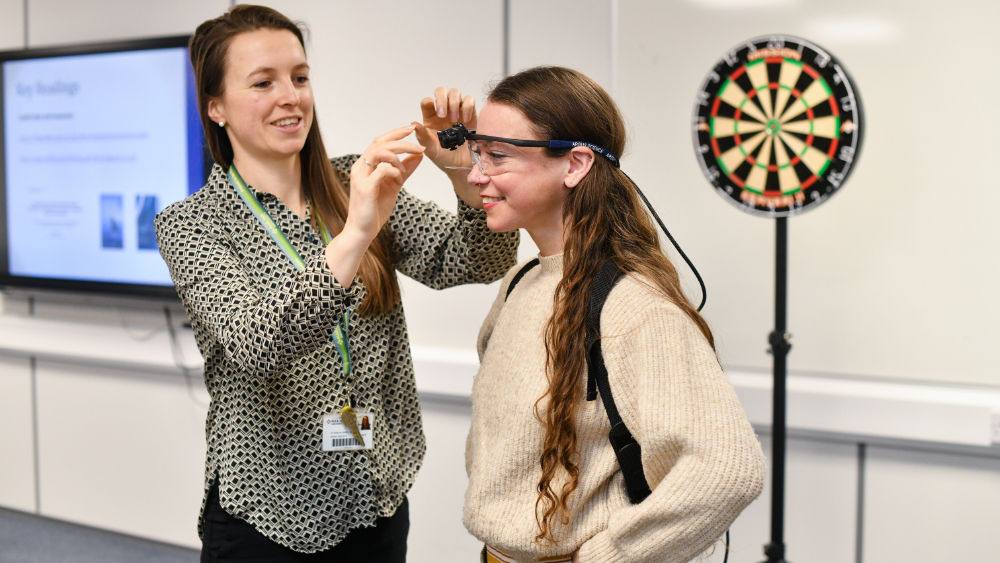
Why this course at Marjon?
Design your own research projects with a supervisor with related expertise and a real interest in your ideas
Be positioned at the cutting edge of contemporary issues and debates about literature
Flexibility to pursue your research projects over one or two years
Scope to be original and innovative in your approach and thinking
Research based Masters which provides an ideal platform for professional development or prepares you for PhD study
We welcome applications from experienced practitioners with non traditional qualifications
Modules for this course
Course Snapshot
“ The MRes course enables students to explore a very specific topic within their chosen subject area. The lecturers are extremely knowledgeable and give help and guidance at every opportunity. You’ll learn essential research design skills to help you to develop your Master’s thesis. The modules are the same no matter what subject you study and you’ll be assigned a specialist tutor from your own subject area who will guide you through the process to ensure you gain the most out of the course.”
1st Year
Being a Researcher
Quantitative Research Design and Analysis Skills
Qualitative Research Design and Analysis skills
Digital research methods
Research Project
Current students say...
Helen
“At Marjon, I’ve been able to put an idea into action by running a Menopause Café on campus. This has enabled me to create an environment that allows women to share their experiences and feelings, and meet some amazing people. After graduating, I’m considering progressing to a PhD in clinical psychology, or maybe a psychology role in the NHS, using the skills and knowledge I’ve gained at Marjon."
Research areas and topics that might interest you
Understanding a new approach to supporting children of excessive weight as part of a multi-disciplinary team
Investigating factors that contribute to 'plant blindness'
Investigating attitudes to maths in children and young adults
Menopause in sport: Exploring its impact on athletes and coaches
Dehumanisation and Pathologisation of female offenders
Outdoor educators relationship with place
“ I hadn’t appreciated, prior to engaging on the course, the tremendous amount of resources that Marjon provides; not just in terms of outstanding laboratory research facilities; but in terms of people.”
See where our graduates are now
Ron Kiddle
“MRes is structured with the individual student in mind. Personal supervision from an enthusiastic and highly insightful supervisor offered an open approach to project design. This granted me the means to release my intellectual energies in a productive way. I found the process not only helped to expand my investigative abilities but also increased my self-confidence. MRes was a gateway to PhD, and an enjoyably rigorous undertaking. It has been an experience for which I will always be grateful.”
Ron is now a PhD student.
What might you become?
Your MRes experience with Marjon is customised to reflect your own professional aspirations and increase your potential to progress with your current employer or within the wider sector. The MRes programme also provides a good grounding in the research process and can be used as a stepping stone into Doctoral research.
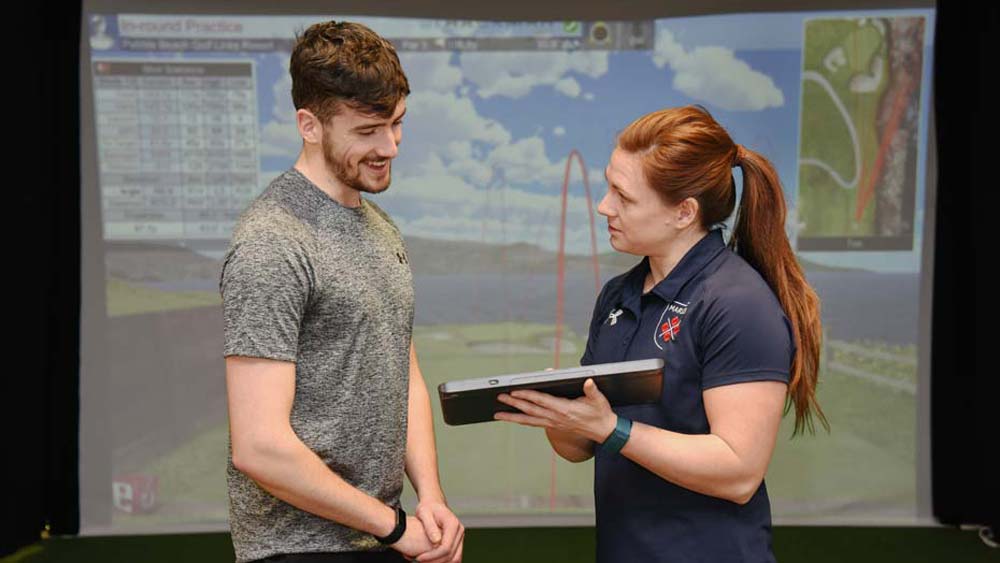
How you’ll be taught and assessed?
How will you be taught?
Teaching combines asynchronous online learning and synchronous in-person workshops. In person days will occur approximately once a month. The remaining learning will take place online. The design of this programme makes it ideal for students who want to pursue their research interests while balancing other personal and professional commitments.
How will you be assessed?
Our assessments are throughout the year and include portfolios, reports, research proposals, presentations, a literature review and the Master's research project. The assessments are designed to offer you the ability to demonstrate your knowledge and provide you with research skills.

Rosanna manages the MRes framework, she is an experienced researcher and the first point of contact for enquiries about the MRes framework.
Your schedule
Students can expect to be on campus one day a month.
Course location(s):
You are required to attend sessions at our Plymouth campus.
Fees and funding
Fees UK students: £8,800 per annum
Fees for International students: £16,500 per annum
This fee covers your tuition and access to course-specific equipment and facilities, as well associated services including access to the library, study skills support, IT support, student support and wellbeing services and membership of the Student Union. There may be additional costs by course.
Funding available for this course
Our Student Funding Advisors offer confidential and impartial advice about your funding options.
Learn more about fundingLecturers
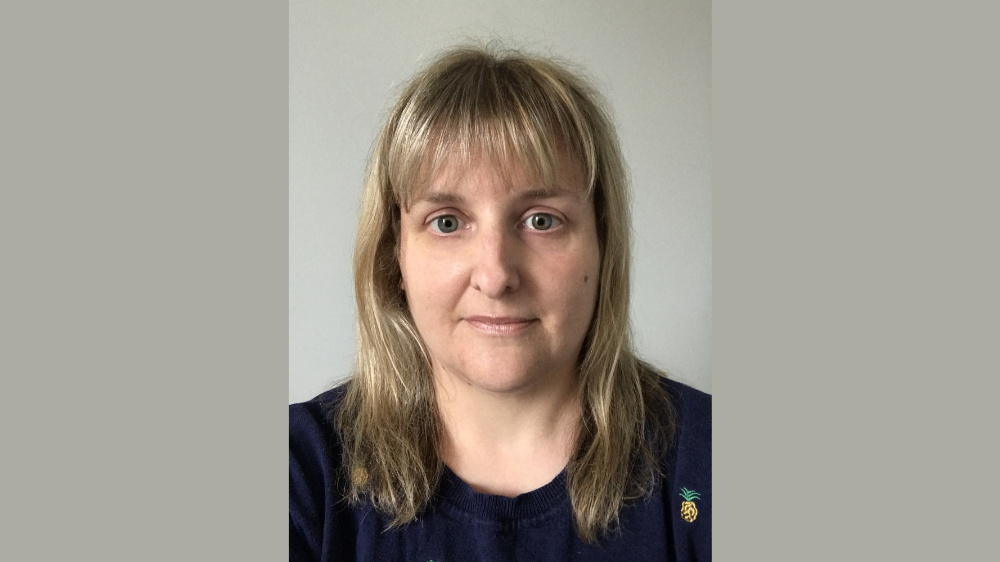
Elaine has worked within the UK education sector for over 20 years and has undertaken a number of academic and professional support roles during this time including within the areas of operations, management information systems, resourcing and people management, blended learning, and project management.
She holds a PhD from the University of Plymouth and has authored over 20 publications including journal papers, conference papers and book chapters. Elaine has been an invited speaker, session chair and a reviewer for a number of conferences and journals. Her current research interests focus on the perceptions and use of AI within business and education.
Elaine currently teaches both on campus and online mainly for UK Universities but also sometimes as a visiting lecturer in Europe.
Jonathan's specialist area is disability studies. He is interested in viewing disability and impairment in terms of the way they impact on inclusion and much of his work is concerned with how social theory can be used to make sense of the lives of disabled people. Jonathan has an acquired brain injury so his work is influenced by direct experience of disability.

Joe has 20 years experience within the area of health and exercise physiology and researches health care interventions, physiology and metabolism. He previously worked as an Occupational Physiologist and Researcher for the UK Ministry of Defence and the Netherlands National Research Office.

Pille is a lecturer in Sport and Exercise Psychology and she teaches across a range of undergraduate and post-graduate sport programmes.

Jonathan specialises in applied neuropsychology and has a research background investigating the therapeutic use of gamified cognitive training for young people with visuocognitive difficulties caused by brain injury or neurodivergence. He is a Fellow of the Higher Education Authority and teaches across a number of modules on the undergraduate and postgraduate psychology programmes related to cognitive neuroscience, neuropsychology, and applied research methods.

Andreas teaches and researches with a particular emphasis on enterprise, entrepreneurship and workforce issues in the service industries. He has worked on consultancy projects for both public and private sectors including the International Labour Office, Enterprise Educators UK, International Finance Corporation and the Higher Education Academy. Andreas is co-editor research for the journal Entrepreneurship Education and Pedagogy and is founding member of the Tourism Workforce research group at the Icelandic Tourism Research Centre and Research Fellow at Neapolis University Pafos.
Rosanna specialises in the psychology of sporting performance, examining the critical perceptual cognitive factors that enable elite performance. Her research fields are cognitive psychology, performance psychology and quantitative methods.
More information
If you are thinking of applying for the MRes here are some tips for things to cover in your application.
- Why you would like to do an MRes?
- Why you would like to do an MRes in your particular subject?
- What are your current research interests?
- Are you considering full-time or part-time study?
- We also want to know about you as a person. What are your interests? Provide detail about relevant research and work experience.
Frequently asked questions
Q1 What is the difference between part-time and full-time options?
Apply now for this course
Share this page on

