
BSc (Hons) Sport and Exercise Rehabilitation
This three-year degree develops the clinical, practical, and professional skills required to assess, treat, and rehabilitate injuries and manage health conditions across sport, exercise, rehabilitation, and healthcare settings.
Open for Clearing. Open for You.
This course is ready when you are! Apply through Clearing today to secure your space.


Entry requirements
Three A-levels at grades BCC - BBB
Or BTEC triple grades DMM - DDM
Access to HE Diploma accepted with credits in line with UCAS tariff point range
Or T level M
GCSE English Language at Grade C/4 or equivalent
Applicants with other qualifications and/or experience will be considered on an individual basis.
A DBS (Disclosure and Barring Service) check is required.
UCAS points 104-120
UCAS code SRC1
UCAS institution code P63
Duration Three years full-time
Any questions?
Contact Charley, our Applicant Support Coordinator, if you have any questions. Email: applicantsupport@marjon.ac.uk and Charley will get back to you!
Course Summary
Combining evidence-informed teaching with extensive hands-on learning, this course prepares you for contemporary practice across professional sport, healthcare, military, and performance environments.
You will study within specialist facilities including our CASES-accredited physiology laboratory, biomechanics suite, strength and conditioning gym, environmental chamber, and dedicated rehabilitation facilities, including a commercial injury and rehabilitation clinic. You will also gain experience using contemporary rehabilitation technologies including anti-gravity treadmill training and rehabilitation, focused and radial shockwave therapy, and laser therapy, while developing practical skills in musculoskeletal and functional screening, exercise prescription, manual therapy, rehabilitation planning, and return-to-performance testing.
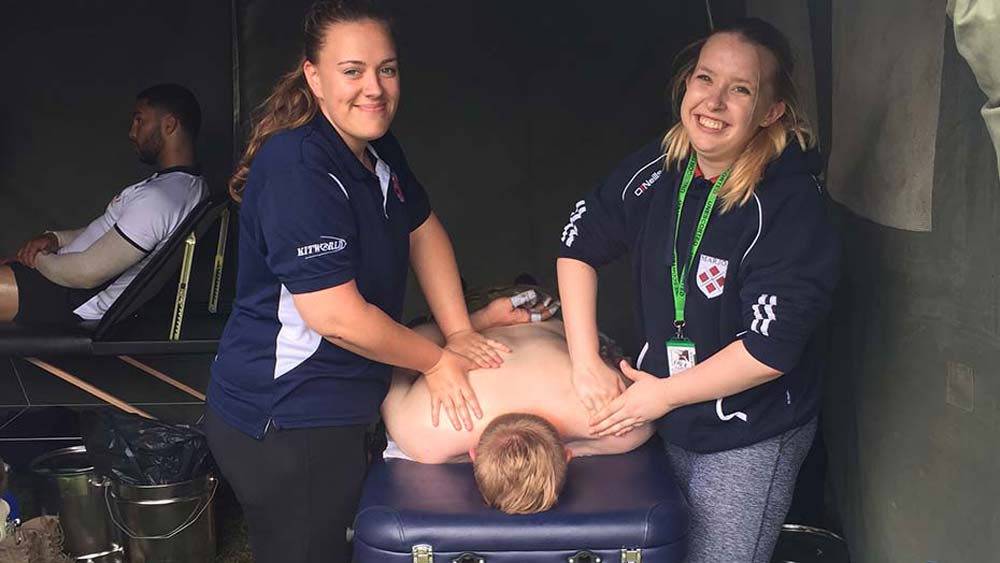
Applied learning is embedded throughout the programme, including more than 400 hours of supervised placement experience with organisations such as Plymouth Argyle FC, Torquay United FC, Plymouth Albion RFC, BUCS sport, and our on-site Sports Injury and Rehabilitation and Marjon Health and Wellbeing Clinics.
Alongside your degree, you will also gain additional industry-recognised qualifications at no extra cost, including CIMSPA-endorsed Gym Instructor, Personal Trainer, Strength & Conditioning Trainer, and Working with Long-Term Conditions qualifications, as well as a Royal College of Surgeons of Edinburgh-endorsed Advanced Trauma Care and Immediate Care in Sport qualification.
Why this course at Marjon?
Neuro-musculoskeletal injury assessment, clinical reasoning, and rehabilitation
Human anatomy, physiology, biomechanics, and applied performance testing
Evidence-based injury treatment, rehabilitation, and return-to-performance
Exercise prescription for athletes, health, rehabilitation, and diverse populations
400+ hours of supervised clinical placement and applied experience
State-of-the-art facilities and for sport performance and healthcare
Modules for this course
Course Snapshot
“ “In Year 1, you will develop foundational knowledge and practical clinical skills in anatomy, assessment, injury management, rehabilitation, and exercise science through hands-on learning. Year 2 focuses on applied clinical practice, rehabilitation, clinical reasoning, and work-based learning across sport and healthcare environments. In Year 3, you will refine your skills through advanced rehabilitation, return-to-performance, research, and autonomous professional practice, preparing you for contemporary graduate roles across sport and healthcare settings.””
1st Year
Foundations of Human Anatomy and Physiology
Injury Pathology and Treatment Fundamentals
Soft Tissue Interventions
Principles of Clinical, Functional and Biomechanical Assessment
Exercise and Conditioning
Academic and Research Skills
2nd Year
Functional Anatomy and Biomechanics
Clinical Assessment, Pathology and Reasoning
Evidence-Based Injury Treatment and Rehabilitation
Work-Based Learning: Sport Sciences
Applied Physiology and Conditioning
Research Methods & Analysis
3rd Year
Exercise for Diverse Populations
Conditioning, Rehabilitation and Return to Performance
Clinical Practice: Sport and Exercise Rehabilitation
Interdisciplinary and Contemporary Challenges in Rehabilitation
Honours Project
Current students say...
Georgia Gussey
“As a national-level swimmer, balancing over 20 hours of weekly training alongside full-time study has been challenging but rewarding. Plymouth Marjon University has provided excellent academic and pastoral support, while placement opportunities with Marjon Men’s Footbal, the commercial clinic, and event work have given me valuable real-world experience across a range of sporting and clinical settings, helping prepare me for a career in sports rehabilitation.”
Marley Edwards
"The flexibility of this course allows you to try so many new things. My favourite highlights have been going on placements and working in the on-campus clinic with real clients, an interactive experience a lot of universities don't offer. It has allowed me to network with different professionals, learn practical skills outside of lectures, and build my clinical abilities for the future."
Sophie Hayward
“The course has helped me develop confidence, professionalism, and strong clinical skills through placements and hands-on learning in the Marjon clinic. The practical experience and lecturer support provided a strong foundation that helped me secure a place on a postgraduate Physiotherapy programme.”
This course is perfect for you if...
You are passionate about injury rehabilitation and recovery.
You want hands-on clinical and placement experience.
You enjoy sport, exercise, health, and rehabilitation.
You are interested in assessment, treatment, and return-to-performance.
You want to work in sport, healthcare, or performance environments.
You want industry-recognised qualifications alongside your degree.
“ I used the sports therapy clinic and it is the best treatment I have ever received. The students and graduates are a credit to the university and clearly demonstrate that they are extremely knowledgeable, show care in wanting to help me understand the causes of my problem areas, and provide excellent treatment and aftercare advice. I only wish I had known of the clinic sooner having engaged with numerous therapists in the past, none of whom have been so attentive and determined to fix me!”
See where our graduates are now
Jack Frith
“As a mature student, I chose Plymouth Marjon University for its excellent facilities and supportive community. The course has combined theory with hands-on clinical learning, while placements with organisations including the NHS, Plymouth Argyle FC, Exeter Chiefs RFC, and the FA Women’s High-Performance Centre have provided valuable real-world experience. Clinic work at Marjon has further developed my confidence and practical skills, preparing me for a future career in professional sport.”
Head of Medical for Plymouth Argyle Ladies FC
Katie Cutler
“This course provided more than academic knowledge and practical skills; it opened opportunities that helped shape my career. Experiences within BUCS, the on-site clinic, and external events helped me build a strong professional network and gain valuable industry experience. These opportunities led to roles with Devonport Services RFC and Plymouth Albion RFC, where I progressed to Head of Medical within a year of graduating, alongside starting a role in the military.”
Head of Medical for Plymouth Albion RFC
What might you become?
We are renowned for producing highly skilled, confident, and vocationally focused graduates. This course prepares you for graduate careers across professional sport, healthcare, rehabilitation, performance, and military environments, with opportunities in areas including injury rehabilitation, exercise prescription, musculoskeletal health, return-to-performance, and health and wellbeing.
Graduates work across both the public and private sectors within professional sports clubs, rehabilitation clinics, healthcare services, and performance environments, while others progress into postgraduate study, research, teaching, sport and exercise science, sport psychology, performance coaching, or wider healthcare professions such as physiotherapy.
Graduates have secured roles with organisations including Plymouth Argyle FC, Plymouth Albion RFC, Exeter Chiefs RFC, Torquay United FC, NHS, and private rehabilitation clinics, while some have established their own successful businesses and clinics.
Accreditation

The Chartered Institute for the Management of Sport and Physical Activity
CIMSPA is the professional development body for the UK’s sport and physical activity sector, committed to supporting, developing and enabling professionals and organisations to succeed and, as a result, inspire our nation to become more active.
CIMSPA - Quality Assured
This badge recognises CIMSPA education partners who have evidenced best practice within most of their operations, processes, and practices, and are seen to be offering highest quality provision to its learner. This involves completion of CIMSPA's annual quality assurance review in order to maintain this badge.
How you’ll be taught and assessed?
How will you be taught?
Teaching combines lectures, seminars, tutorials, and extensive hands-on practical learning through clinical experience, practical sessions, and work-based learning. Practical teaching takes place within our dedicated rehabilitation facilities, commercial clinic, strength and conditioning gym, and CASES-accredited physiology and biomechanics laboratories.
How will you be assessed?
Assessment methods include case studies, practical and clinical examinations, live patient assessments, professional conversations, presentations, laboratory reports, portfolios, research projects, and competency-based assessments designed to reflect contemporary sport rehabilitation practice.
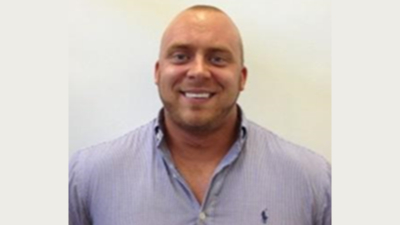
Darren joined Plymouth Marjon University in 2022 as an experienced sports therapy and injury rehabilitation lecturer and applied practitioner, with 20 years of higher education experience and a focus for delivering student-centred teaching and learning, assessment, and industry-driven contemporary curriculum design. Sport and exercise rehabilitation Musculoskeletal assessment and clinical reasoning Rehabilitation planning and return-to-performance Functional anatomy, physiology, and biomechanics Injury pathology and clinical assessment Exercise prescription and therapeutic exercise Contemporary electrotherapy and manual therapy techniques Expert Membership of professional bodies Senior Fellowship of the Higher Education Association (SFHEA) British Association of Sports & Exercise Medicine (BASEM) Sports Therapy Organisation (STO) - Executive Committee
Fees and funding
Fees UK students: £9,790 per annum
This fee covers your tuition and access to course-specific equipment and facilities, as well associated services including access to the library, study skills support, IT support, student support and wellbeing services and membership of the Student Union. There may be additional costs by course.
Additional costs:
Students are required to self-fund:
- A DBS check (£52)
- A first aid course (unless you have already completed one)
- Marjon sports kit (£25-100)
- Printing costs
- Travel costs associated with placements
- Insurance for placements (£35 per year)
Funding available for this course
Our Student Funding Advisors offer confidential and impartial advice about your funding options.
Learn moreLecturers
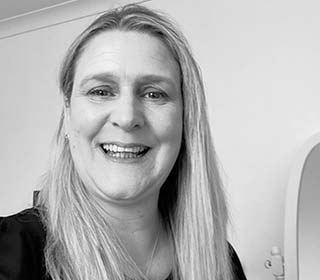
Sarah has over 25 years of experience working with international, national, and local athletes across a wide range of disciplines. She holds professional qualifications in manual therapy and acupuncture. Sarah is the Chairperson of the Sports Therapy Organisation (STO) and is a member of the Federation of Holistic Therapists (FHT) and the British Association of Sport and Exercise Sciences (BASES). Her research expertise focuses on the development and advancement of the sports therapy curriculum, ensuring it aligns with the evolving needs of the profession and prepares graduates for excellence in the field.
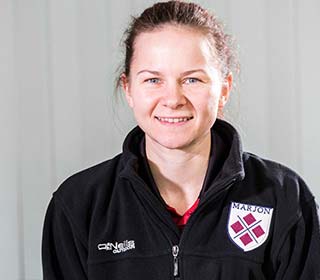
Vicki specialises in exercise rehabilitation and has worked with diverse groups including adolescents, sports people, disabled athletes, fire service personnel and sarcoma patients.

Find out more about studying BSc (Hons) Sport Rehabilitation and Conditioning at Marjon
Discover Uni collects data about university courses in the UK. All universities publish Discover Uni data on their online course pages enabling you to compare similar courses at different universities.
Share this page on

