
BA (Hons) Disability, Social Justice and Wellbeing
The BA (Hons) SEN, Disability and Social Justice programme has been developed response to significant developments across education, health, community and third-sector contexts. You will develop your understanding of Special Educational Needs (SEN), disability, inclusion, equity and social justice and this programme will enable you to create inclusive systems and communities.


Apply now for this course


Keep in touch with this course
Entry requirements
Typically CCD or equivalent, ideally including a subject from social sciences, health, psychology, sociology, philosophy or humanities.
MMM in a relevant subject (e.g., Health & Social Care, Applied Psychology, Public Services, Childcare, or equivalent).
Access to HE Diploma: Pass with at least 15 Level 3 credits at Merit.
GCSEs: Grade C/4 or above in English Language and Maths
We are committed to safeguarding and promoting the welfare of children and students. All students are expected to share this commitment and demonstrate consistently high standards of personal and professional conduct.
DBS clearance required.
We also welcome applicants with relevant experience in disability support, youth work, health, advocacy, community roles or lived experience—your personal journey matters here.
UCAS points 88
UCAS code DSJW
UCAS institution code P63
Duration Three years full-time Six years part time
Course Summary
You will explore Special Educational Needs, disability, inclusion and social justice from local, national and global perspectives, developing the knowledge, confidence and practical skills needed for a wide range of careers across education, health, community and support services. Small class sizes, approachable lecturers and strong links with professional partners create a personalised learning experience where you are known, valued and supported to succeed. At Marjon, you won't just study change, you'll help create it.
Modules for this course
Course Snapshot
“ Make a difference where it matters most. At Plymouth Marjon University, our Special Educational Needs, Disability and Social Justice degree prepares you to challenge inequality, champion inclusion and create positive change in education and society. You'll explore contemporary issues affecting children, young people and adults with diverse needs, while developing practical skills valued across education, community, health and support sectors. With expert lecturers, small class sizes and a supportive learning community, you'll be encouraged to think critically, act compassionately and develop your professional confidence. Grounded in real-world experiences and social justice values, this course equips you with the knowledge and skills to become a powerful advocate for a more inclusive future.”
1st Year
Key concept in disability studies
People: Social beings
Social Problems
Engaging with Communities
Key concepts in Social Justice
Health and Wellbeing
2nd Year
Professional contexts: Interdisciplinary working
Police and policing
International perspective of disability and wellbeing
Key concepts in Special Educational Needs
Research design
Placement
Developing critical approaches to disability and care
3rd Year
Honours project
Environmental justice and the outdoors
Community Psychology
Critical pedagogy and Special Educational Needs
Disability and Social theory
Mental health and young people
This course is perfect if you’re curious about
Should society adapt to disability, or disability adapt to society?
Who gets to define "normal"?
Is wellbeing a personal responsibility or a political issue?
Do current law's really protect disabled people?
How do we design spaces that include everyone?
What happens when people's rights, safety and independence conflict?
What might you become?
Graduates from this programme are well-prepared for roles across education, social care, health, wellbeing, policy and community development.
You could become a Disability Support Practitioner, Well-being Coordinator, Inclusion Officer, Advocacy Worker, Mental Health Support Worker, Youth Worker, Community Project Lead, Accessibility Consultant or Policy Assistant. Employers include local councils, NHS trusts, charities and NGOs, schools and colleges, housing associations, advocacy organisations, community interest companies, and social enterprises.
Many graduates also progress to postgraduate training, such as MA Social Justice, MSc Psychology (conversion), MA Education, PGCE, Youth & Community Work, Social Work, Counselling, or Therapeutic Practice.
How you’ll be taught and assessed?
How will you be taught?
Teaching blends seminars, workshops, discussions, guest speakers and hands-on practical activities. Expect an interactive, supportive environment where you learn through real examples, collaborative tasks and community-focused projects.
How will you be assessed?
Assessment is coursework-focused and inclusive, using essays, presentations, case studies, reflective journals, creative media, accessibility audits, and practical reports—no traditional exams.
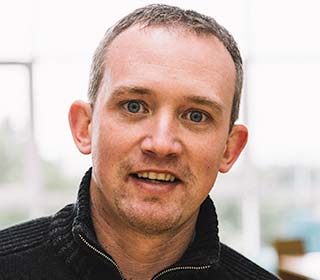
This course is led by Dr Jonathan Harvey. Dr Harvey has a wealth of experience regarding disability and disabled people. As well as this, he has a keen interest in issues of social justice and the well-being of all in society.
Fees and funding
Fees UK students: £9,790 per annum
This fee covers your tuition and access to course-specific equipment and facilities, as well associated services including access to the library, study skills support, IT support, student support and wellbeing services and membership of the Student Union. There may be additional costs by course.
Additional costs:
Additional costs may include:
- DBS check: £55
- Travel expenses for placements (varies by location)
- Laptop or tablet suitable for writing assignments and online learning
- Printing and study materials (optional, approx. £30–£70 per year)
Funding available for this course
Our Student Funding Advisors offer confidential and impartial advice about your funding options.
Learn moreLecturers

Selina Day is a qualified teacher who has extensive experience working within the primary sector. She is the programme lead for BA Primary Education and lecturers within the Institute of Education and School of Arts and Humanities. At the university she is involved in various activities that sit outside her programme and school responsibilities. She is member of SCION (Sustainability, Creativity and Innovation) research group and has been a chair of governors at a local Plymouth school. Currently Selina is a member of the First Federation Academy Trust. As well as her academic role at the university, she is undertaking her PhD in the area Contemporary Children’s Literature and Religious Education.
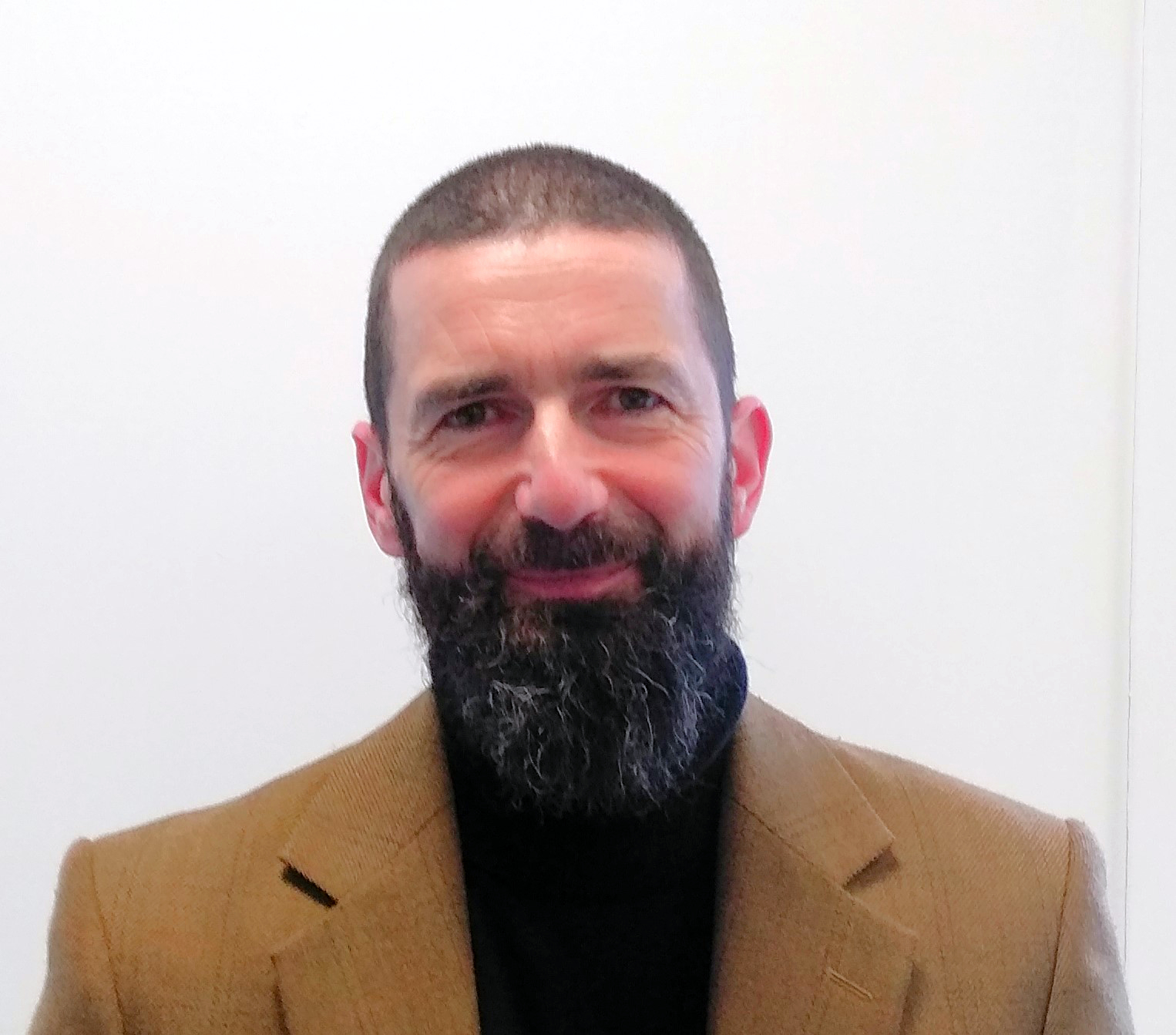
Damien holds a BPS accredited BSc in Psychology, an MSc in Social Research methods and Evaluation, and is a Fellow of the Higher Education Academy. His doctoral research sat at the intersection of environmental psychology and environmental ethics. Damien teaches across multiple psychology modules, including qualitative research methods and social psychology.

Hannah is a former SureStart Children's Centre Manager, Nursery Manager and Early Years Professional, assessor and mentor. She is particularly interested in early years, play, inclusion and leadership.
